
San Mateo County · Bay Area
Remodeling and additions in Menlo Park, Atherton & Portola Valley
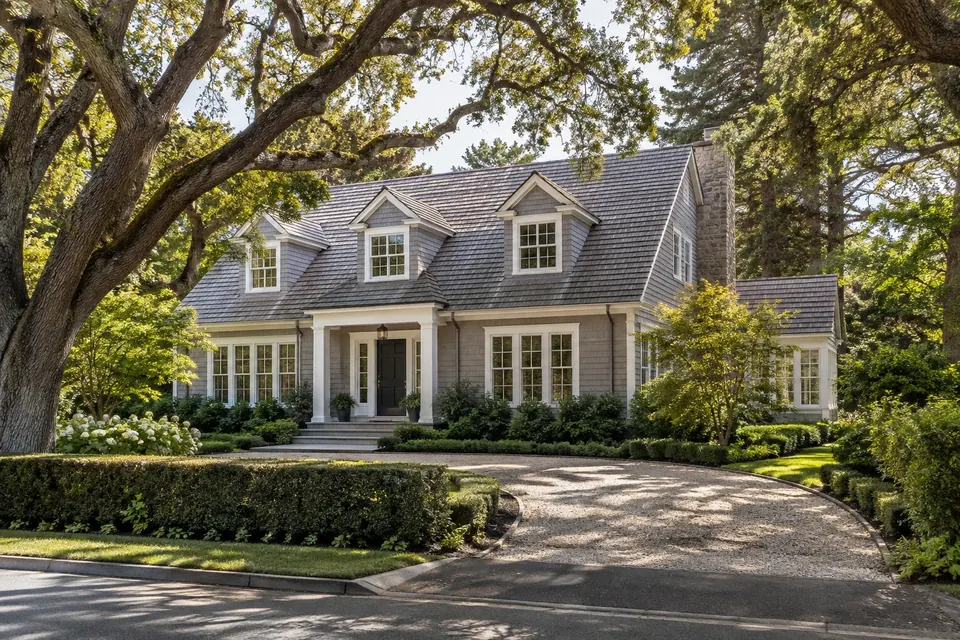
Large lots and protected oaks often decide where an addition can go.
Most of our reviews come from Los Angeles clients; we're earning more in the Bay Area now.
 Illustration
- Licensed, bonded & insured · CSLB #1059213 (opens in new tab)
- 20+ years of team experience
- Permits handled
- Supervisor on site daily
- 3D design included
Local know-how
Remodeling in Menlo Park, Atherton & Portola Valley
Homes we see
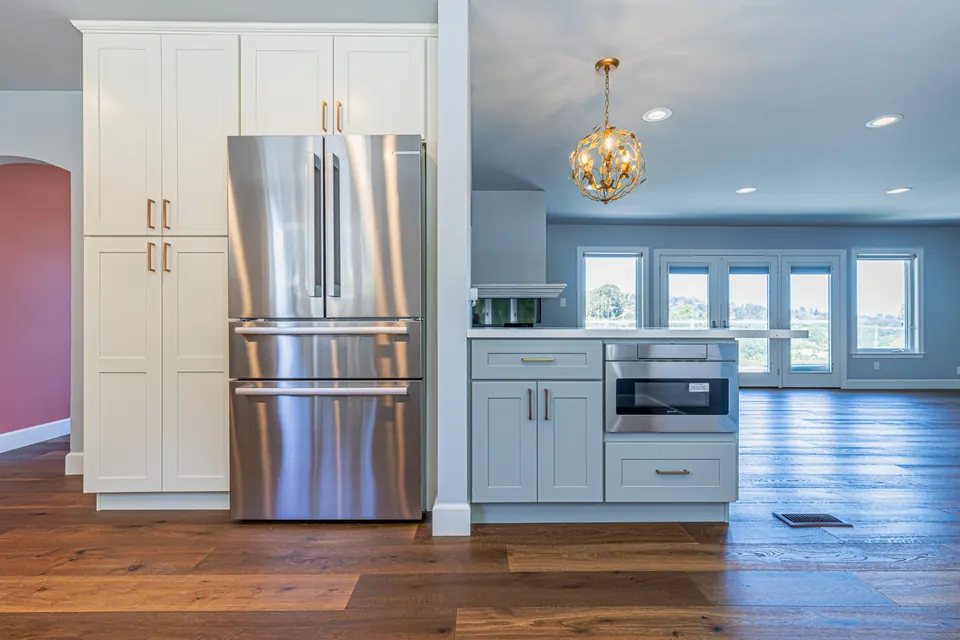
Ranches, traditionals and newer custom homes.
Permits and approvals
City of Menlo Park Planning and Building divisions; on a lot that is substandard in width, depth or area, a new house or extensive remodel may need a use permit from the Planning Commission first. Town of Atherton, with a maximum floor area set by lot size and zoning district. Town of Portola Valley. Each has its own heritage or significant tree rules.
Sources: City of Menlo Park — Planning Division (opens in new tab) · City of Menlo Park — Building Division (opens in new tab) · City of Menlo Park — Zoning district summary sheet (opens in new tab) · Town of Atherton — Planning FAQ (opens in new tab) · Town of Atherton — Arborist services and tree protection (opens in new tab)
Neighborhoods
ZIPs served
Heritage trees and your addition
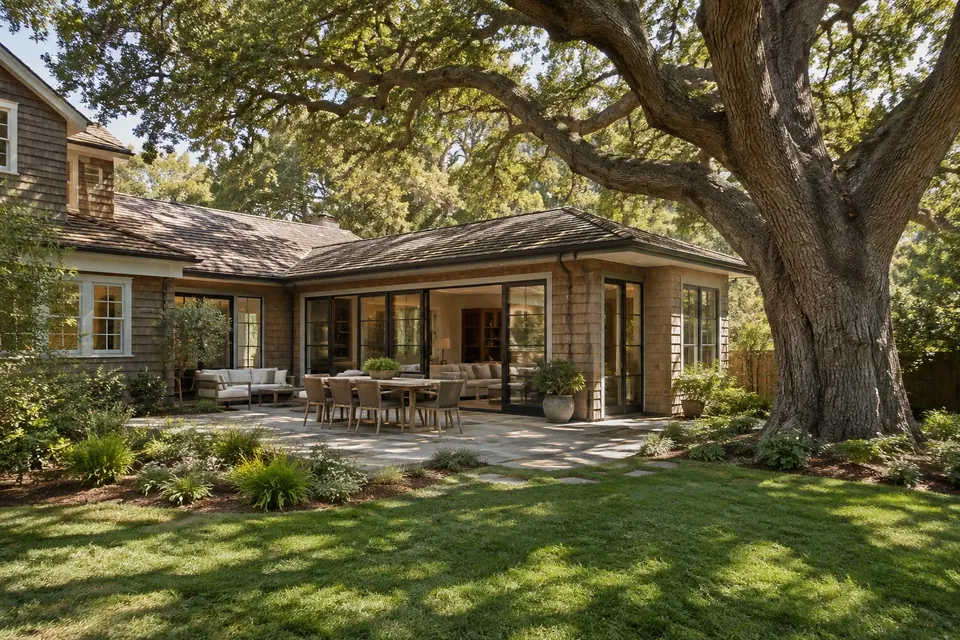
Mature oaks are a large part of what makes these lots appealing, and both Menlo Park and Atherton protect them by ordinance. On a big lot, the trees often decide where an addition can go more than the setbacks do, so we look at them before we draw anything.
In Menlo Park, a heritage tree is any native California oak with a trunk at least 10 inches in diameter, or any other tree at least 15 inches, measured 54 inches above natural grade. Removing one, or pruning more than a quarter of it, needs a permit. When development, excavation or grading is proposed within ten times a heritage tree's trunk diameter, the city asks for an arborist report from its approved list and a tree protection plan before issuing grading or building permits, and protective fencing has to be verified before the building permit is issued.
In Atherton, valley, coast live and blue oaks with a trunk circumference of 48 inches or more are heritage trees anywhere on the lot, and other trees of that size count when they stand outside the main buildable area. Building permit submittals for new homes, remodels and demolitions include a tree protection plan reviewed by the Town Arborist, fencing goes up before any demolition or grading, and the town requires quarterly arborist reports while construction is underway. Portola Valley has its own tree permit process, which we check project by project.
In practice, a tree protection zone can rule out a corner of the lot for a new wing, push an addition upward or toward the street, or change how the foundation is built near roots. It also shapes the job site: materials, equipment and parking stay outside the fenced zones, and utility trenches are routed around them. Removal is sometimes possible, but it needs a permit and usually replacement planting (Menlo Park also allows an in-lieu payment), so we treat it as a last resort rather than a plan.
Our part: we start with the arborist's tree survey, put every protected tree and its protection zone on the site plan, and design the footprint around them. We coordinate the arborist and structural engineer, prepare the submittal with the tree protection plan, respond to comments, keep the fencing in place through construction and schedule the inspections.
Last reviewed: October 2026 · Sources: City of Menlo Park — Heritage tree definition and ordinance (opens in new tab) · City of Menlo Park — Arborist report requirements checklist (opens in new tab) · City of Menlo Park — Heritage and city tree protection specifications (opens in new tab) · Town of Atherton — Heritage Tree Preservation Standards and Specifications (opens in new tab) · Town of Atherton — Tree protection plan review requirements (opens in new tab) · Town of Atherton — Arborist services and tree protection (opens in new tab)
 Illustration
Popular projects here
What Menlo Park, Atherton & Portola Valley homeowners ask us to build
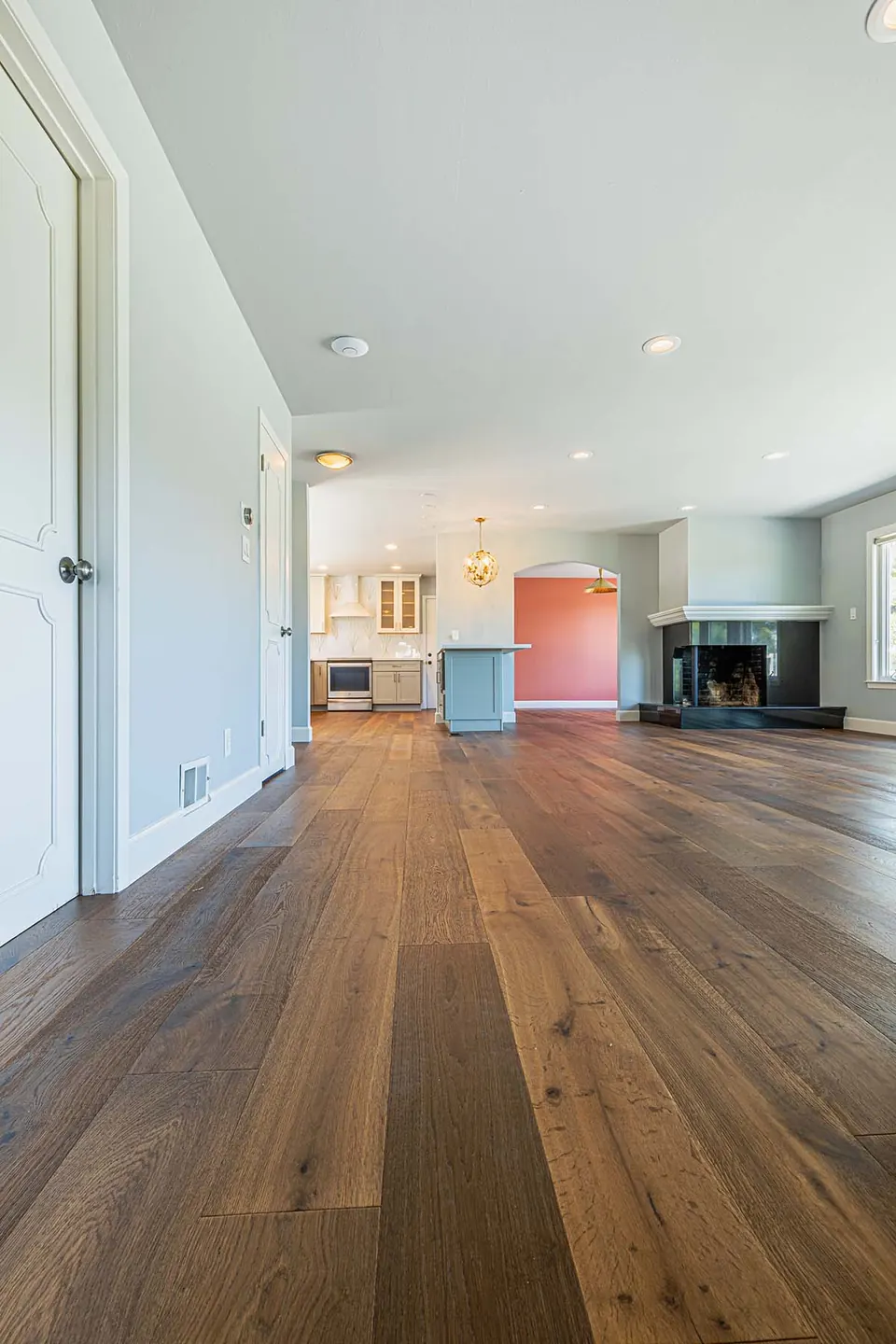
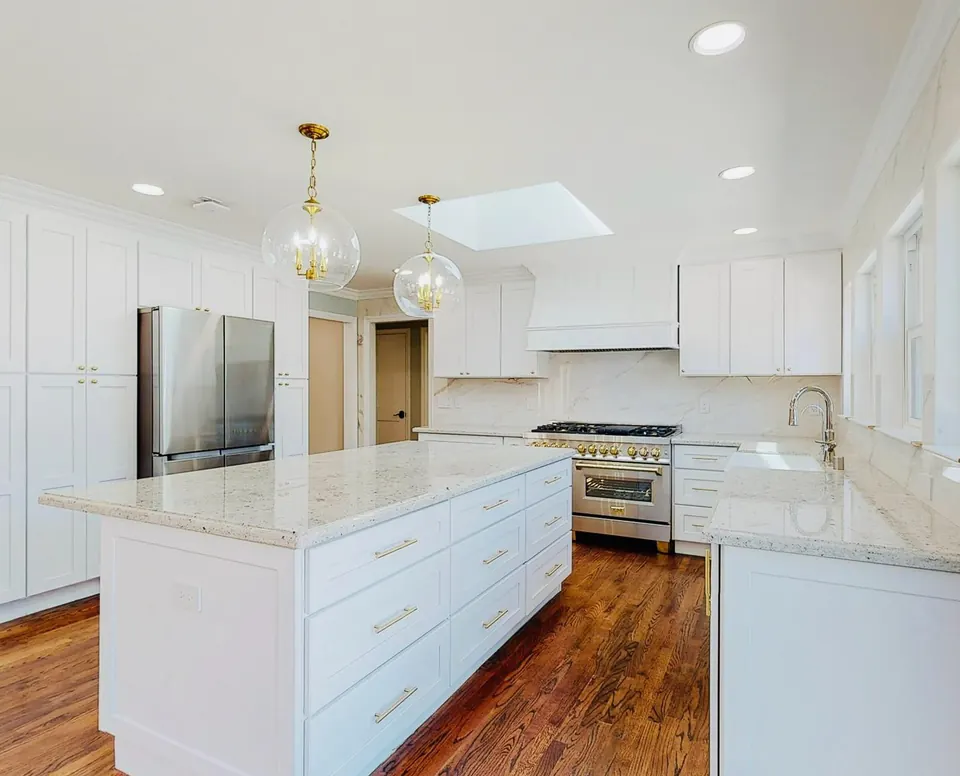
Work near you
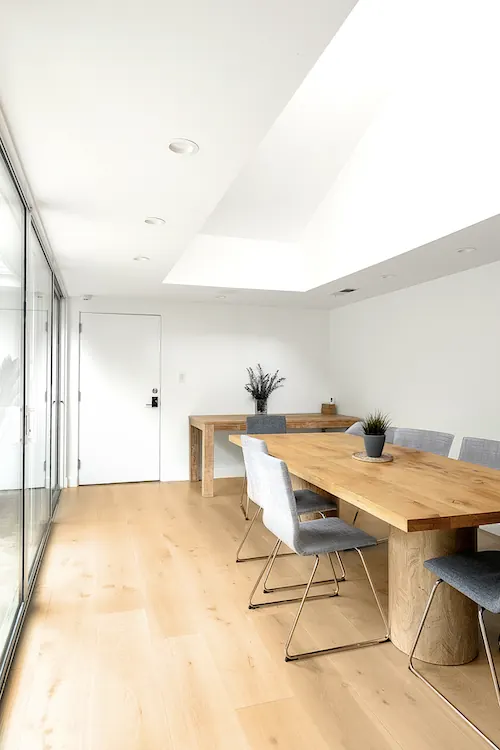
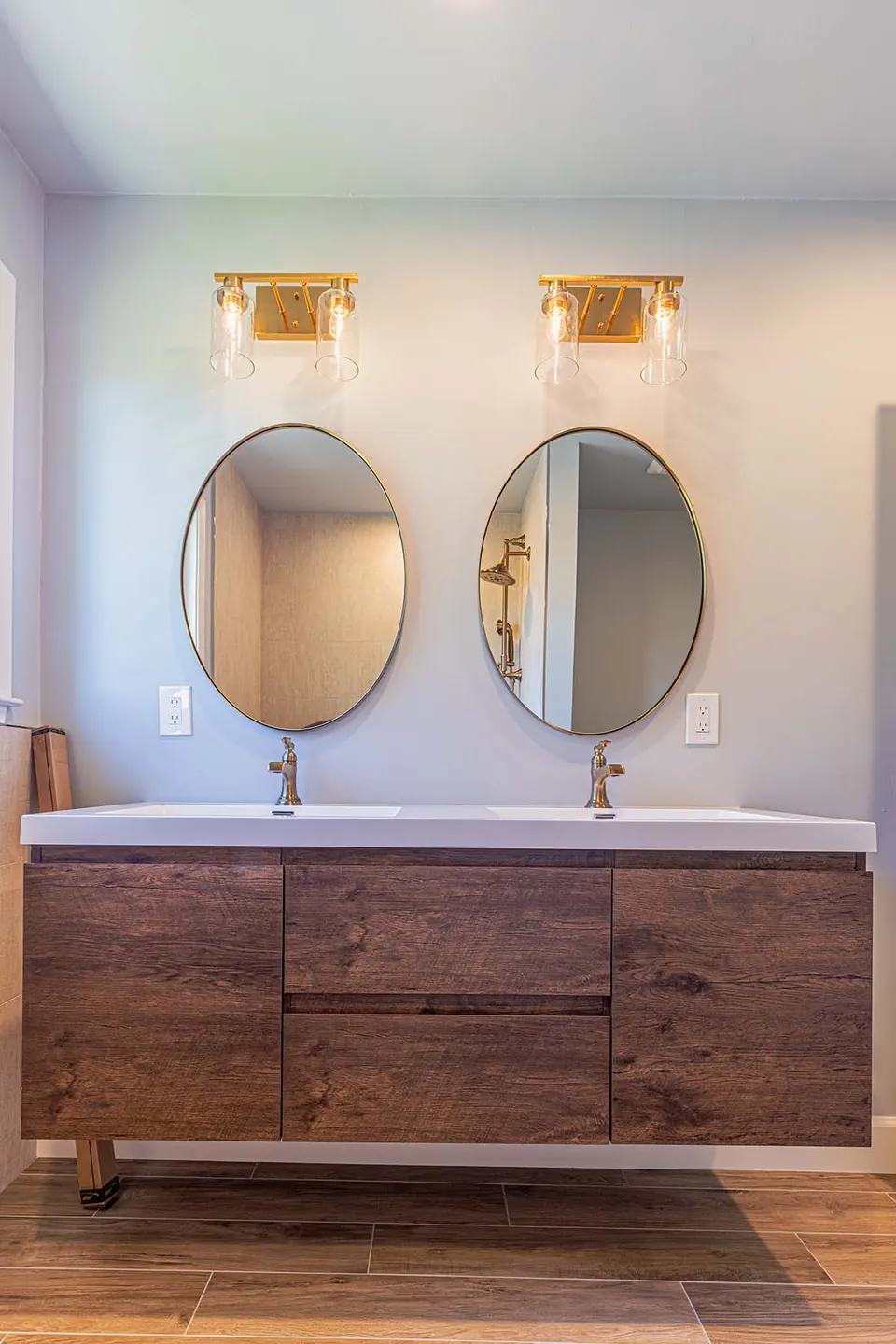
Recent work from across the Bay Area and Los Angeles
Projects are labeled with where they were built: in the Bay Area or by our Los Angeles team.
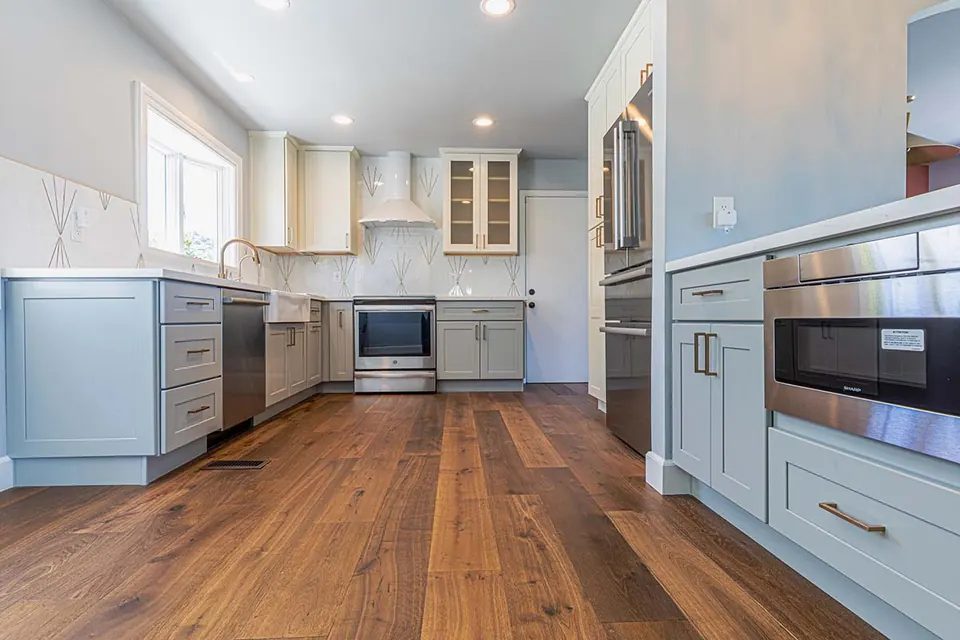
How it works
Five steps. One team.
- 1
Free consultation
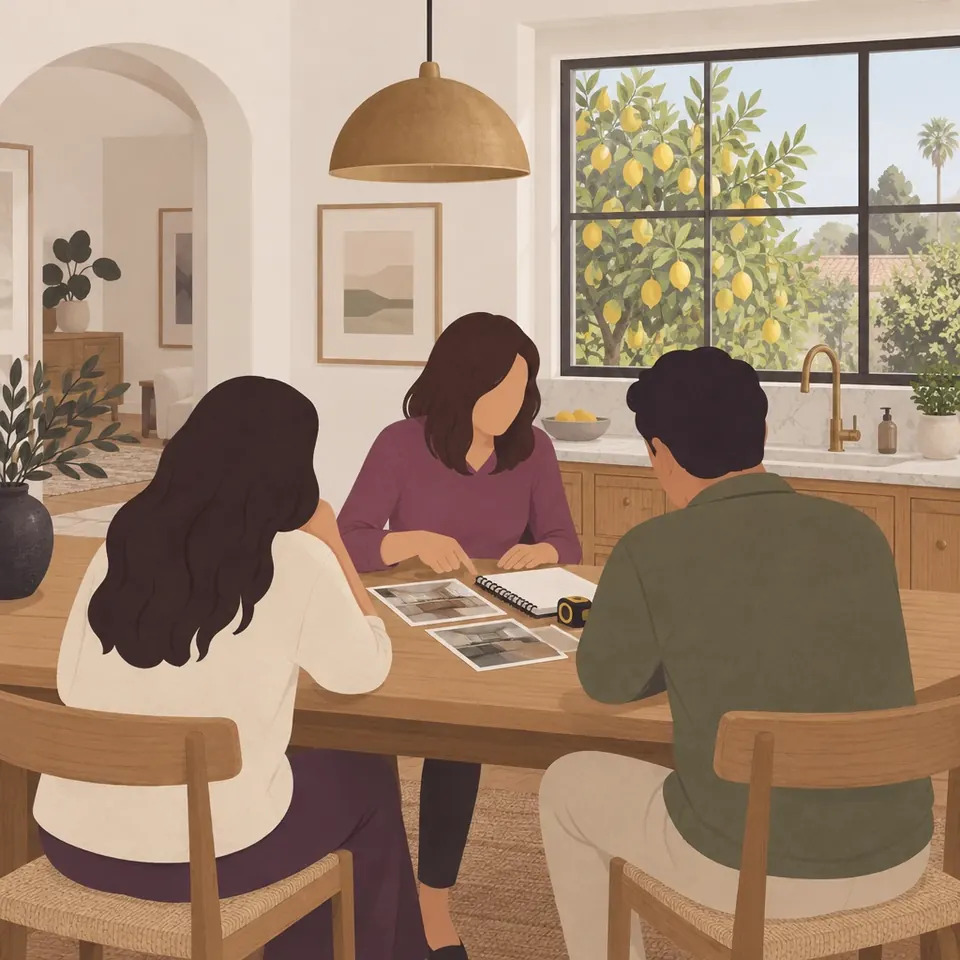
We visit your home, walk the space and listen to how you live. We talk honestly about scope, budget and timing — and whether we're the right fit.
What you getNotes, next steps and a written price-and-timeline summary
- 2

Design & 3D renderings
Our designers turn ideas into a plan you can see in 3D. We walk showrooms with you and pass along our trade pricing on selections.
What you getRenderings and selections list
- 3
Price & contract
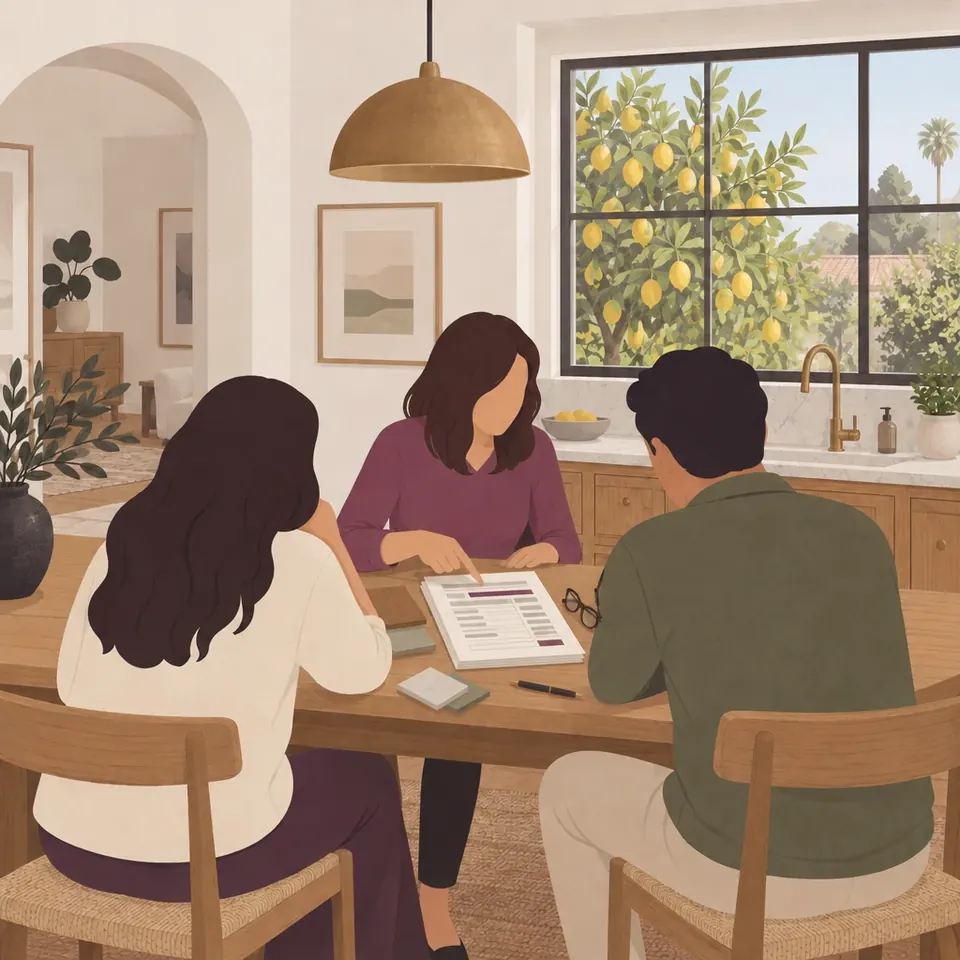
Once the design is set, we confirm the final price and timeline in a contract, with payments tied to completed work.
What you getFinal price and contract
- 4

Permits & construction
We handle engineering, permits and inspections. A Tulip supervisor runs the site every working day, and you get regular updates.
What you getPermit set, schedule, weekly updates
- 5

Final walkthrough
A thorough inspection and punch list before we call it done — and we stand behind the work after we leave.
What you getPunch list and warranty documents
FAQ
Remodeling in Menlo Park, Atherton & Portola Valley: questions
What counts as a heritage tree in Menlo Park?
A native California oak with a trunk at least 10 inches in diameter, or any other tree at least 15 inches, measured 54 inches above grade; multi-trunk trees under 12 feet tall don't count.
Do I need an arborist report for an addition near a large tree?
In Menlo Park, yes, when work is proposed within ten times the trunk diameter of a heritage tree or city street tree. In Atherton, a tree protection plan by a certified arborist is part of the building permit submittal.
Can a heritage tree be removed to make room for an addition?
Only with a permit, and removals tied to development usually come with replacement planting; Menlo Park also allows an in-lieu payment. We design around protected trees first and treat removal as a last resort.
Does Atherton limit how large my house can be?
Yes. Atherton sets a maximum floor area based on lot size and zoning district, so we confirm what's left for an addition before design starts.
Does a second story in Menlo Park need a use permit?
It can. On a lot that is substandard in width, depth or area, a new two-story house or an extensive remodel may need a use permit from the Planning Commission before the building permit.
How are trees protected during construction?
Chain-link fencing goes up around protected trees before demolition or grading and stays until the arborist signs off, with no storage, parking or grade changes inside it. Atherton also requires quarterly arborist reports on active sites.
Nearby
Nearby areas we serve
Book a consultation
Planning a project in Menlo Park, Atherton or Portola Valley?
We reply within one business day.
Prefer to talk? Call (669) 600-6422